

Running a small business is no small feat. Between managing staff, serving customers, and staying on top of cash flow, the last thing any owner wants is to waste precious time on manual financial processes. The right tools and equipment can make all the difference — turning hours of administrative headaches into streamlined, efficient workflows that free you up to focus on growth. Whether you are just launching or looking to modernize your current setup, here is a look at the essential financial equipment every small business should have in place.
Point-of-Sale Systems
A reliable point-of-sale system is the backbone of any business that handles transactions. Modern systems do far more than process payments — they track inventory in real time, generate sales reports, and integrate directly with accounting software. Whether you operate a brick-and-mortar location or sell at pop-up markets and events, having a dependable POS setup ensures that every transaction is recorded accurately and that your end-of-day reconciliation takes minutes, not hours.
Receipt and Document Scanners
Paper clutter is the enemy of organized finances. A quality document scanner allows you to digitize receipts, invoices, and contracts as they come in, feeding them directly into your record-keeping system. This is especially valuable at tax time, when having everything organized and searchable can save hours of sorting through folders and shoeboxes. Look for a scanner that integrates with cloud storage so documents are backed up automatically and accessible from anywhere.
Card Payment Terminals
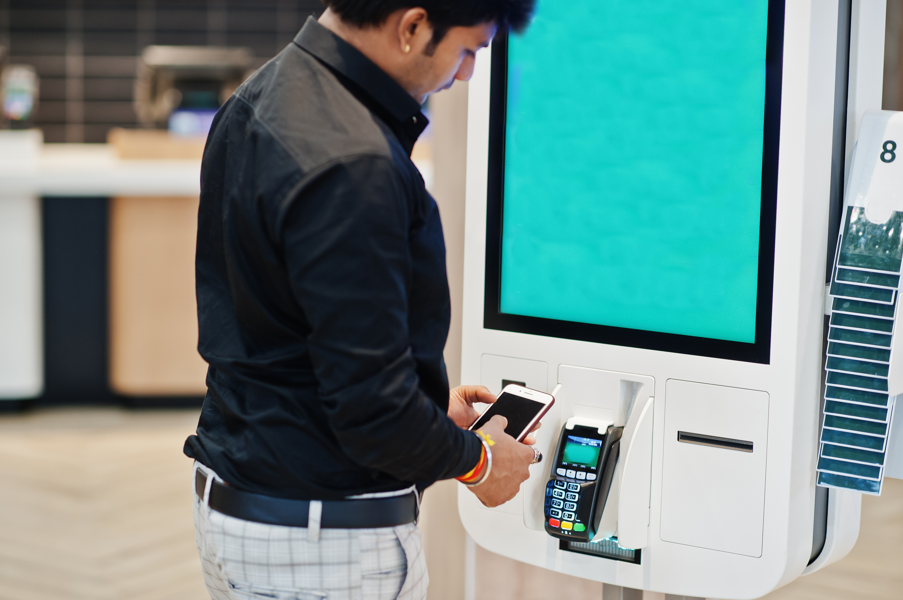
Cash may still have its place, but the majority of customers today expect to pay by card or contactless methods. A versatile payment terminal that accepts chip cards, tap-to-pay, and mobile wallets ensures you never lose a sale due to limited payment options. Many modern terminals also offer built-in reporting features, making it easy to track daily revenue without additional software.
Kiosk Machines
Self-service kiosk machines are becoming an increasingly practical option for small businesses looking to reduce wait times and free up staff for higher-value tasks. Whether used for order placement, check-in, bill payment, or product browsing, kiosks allow customers to complete transactions independently and at their own pace. From a financial standpoint, they can meaningfully reduce labor costs while simultaneously improving the customer experience. Many kiosk systems also integrate with existing POS and inventory software, ensuring that every transaction flows seamlessly into your broader financial records without requiring manual reconciliation. Working with a reputable company like Financial Equipment Company can help you source kiosks that are both reliable and competitively priced for your business size.
Accounting and Invoicing Software
While not a physical piece of equipment, accounting software is arguably the most critical financial tool a small business can invest in. The right platform automates invoicing, tracks expenses, reconciles bank statements, and generates financial reports at the click of a button. Many options also connect directly to your POS system and bank accounts, creating a seamless flow of financial data without manual entry. This kind of automation drastically reduces errors and ensures your books are always up to date.
Cash Drawers and Counterfeit Detection Tools
For businesses that handle cash regularly, a sturdy cash drawer paired with counterfeit detection equipment is a must. Counterfeit detection pens and UV scanners are inexpensive but can save you from significant losses. A cash drawer that connects to your POS system adds an extra layer of accountability, automatically opening only when a transaction is completed and logging every open-and-close event. This discourages internal theft and keeps your cash handling processes transparent and auditable.
Payroll Management Tools
Paying employees accurately and on time is non-negotiable, and doing it manually opens the door to costly mistakes. Payroll management software — or a dedicated payroll service — automates tax calculations, deductions, and direct deposits, keeping you compliant with employment regulations without requiring a dedicated HR department. As your team grows, having a scalable payroll system in place means you can add employees quickly without overhauling your entire process.
Cloud-Based Data Backup Solutions
Financial data is among the most sensitive and valuable assets your business holds. A cloud-based backup solution ensures that your records, transaction history, and accounting files are never lost to hardware failure, theft, or natural disaster. Automatic backups that run in the background require no ongoing effort from you or your team, giving you peace of mind that your financial history is always protected and recoverable.
Building a Financially Efficient Business
Investing in the right financial equipment is not an expense — it is a foundation. The tools you put in place today determine how efficiently your business runs tomorrow. From processing payments and managing payroll to keeping your books clean and your data secure, each piece of equipment plays a role in reducing friction and improving accuracy across your operations. Start with the essentials, build systems that grow with you, and you will find that financial management becomes one of the least stressful parts of running your business.
