

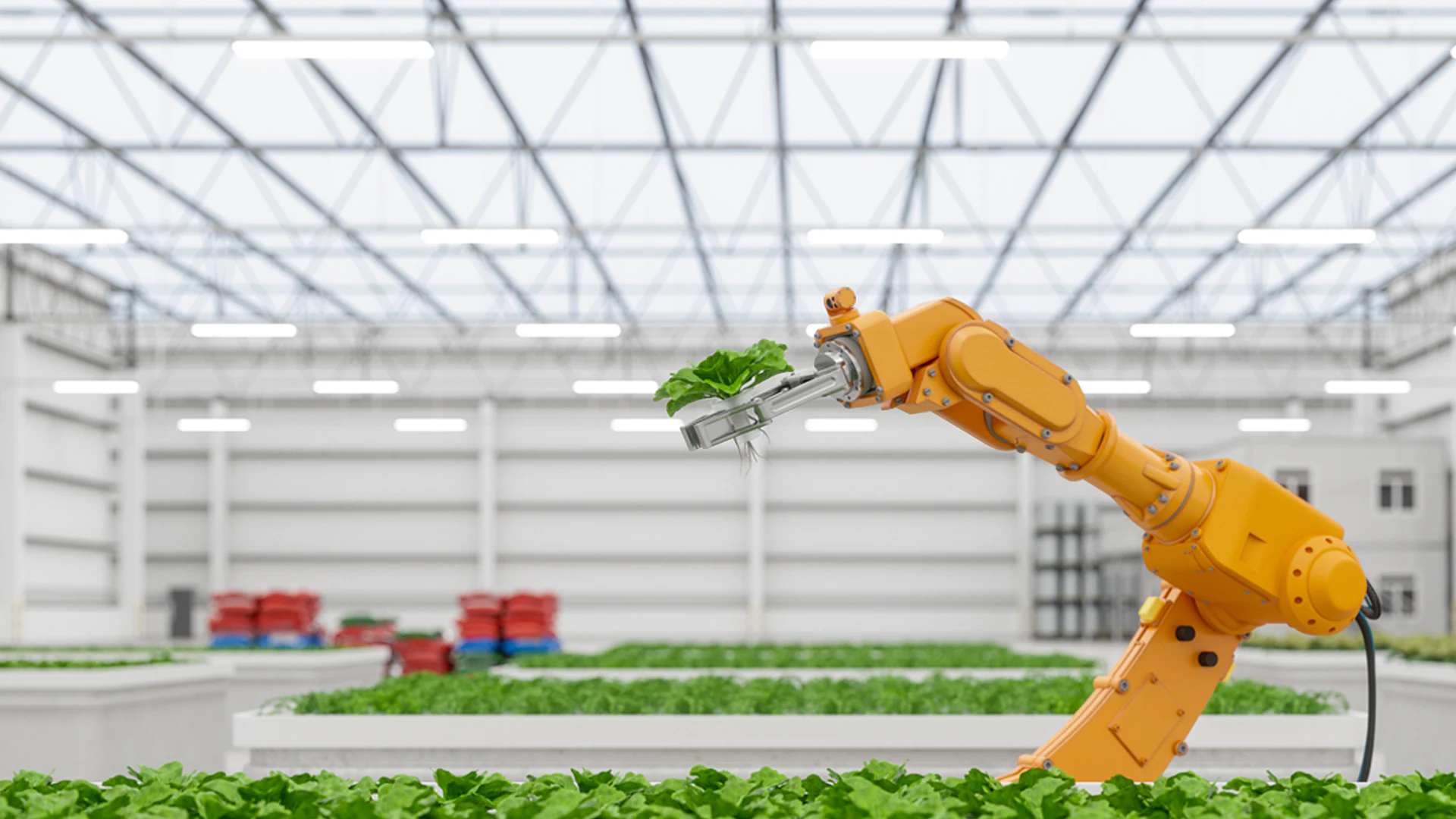
In recent years, the agricultural sector has undergone a technological transformation. How smart agriculture Is Revolutionizing Global Food Production is a question that highlights the intersection of technology, sustainability, and global food security. Smart agriculture is changing the way farmers grow, monitor, and distribute food, ensuring higher efficiency and sustainability.
Understanding Smart Agriculture
Smart agriculture, often called precision farming, integrates advanced technologies like the Internet of Things (IoT), artificial intelligence (AI), drones, and sensors to monitor crops and soil conditions. These technologies allow farmers to make data-driven decisions, reducing waste, increasing crop yields, and minimizing the environmental impact.
Key Technologies Driving the Revolution
IoT and Sensor Technology
IoT devices and sensors provide real-time data on soil moisture, nutrient levels, and weather conditions. This information enables farmers to optimize irrigation and fertilization, leading to healthier crops and lower resource consumption.
AI and Data Analytics
AI algorithms analyze vast amounts of data to predict crop growth patterns, identify diseases early, and recommend precise interventions. By using predictive analytics, farmers can prevent crop failures and maximize yields.
Drones and Robotics
Drones offer aerial imaging to monitor large fields efficiently, while robotics can automate tasks such as planting, weeding, and harvesting. These innovations reduce labor costs and improve accuracy in farming operations.
Benefits of Smart Agriculture
Smart agriculture not only increases efficiency but also addresses critical global challenges:
- Enhanced Food Security: By optimizing production, more food can reach populations in need.
- Sustainability: Reduced water usage, chemical fertilizers, and pesticide reliance protect ecosystems.
- Economic Growth: Farmers benefit from increased yields and cost savings, supporting rural economies.
How Smart Agriculture Is Revolutionizing Global Food Production
The true impact of smart agriculture is evident when considering the global scale. Countries facing population growth and limited arable land can leverage technology to produce more food with fewer resources. By adopting smart agriculture practices, the world moves closer to ending hunger while protecting the environment.
Challenges and Future Prospects
While the potential is immense, challenges such as high initial investment costs, technology adoption barriers, and the need for farmer training remain. However, with ongoing innovations and supportive policies, the integration of smart agriculture in global food systems is expected to accelerate.
Conclusion
In summary, how smart agriculture is revolutionizing global food production is more than a technological trend—it is a necessity for a sustainable and food-secure future. By combining IoT, AI, drones, and robotics, farmers are achieving higher efficiency, environmental sustainability, and economic benefits. As these technologies continue to evolve, smart agriculture promises to reshape the way the world grows its food.
