

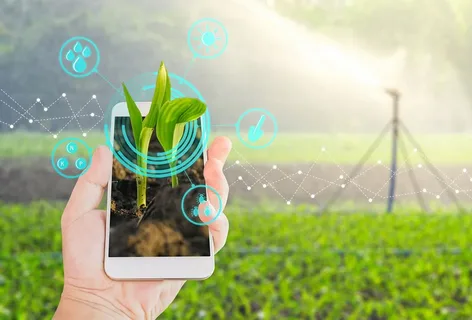
Water management has become one of the most critical challenges in modern agriculture. With increasing global population and climate change, the demand for sustainable farming practices has never been higher. One technological solution gaining prominence is smart agriculture Irrigation Systems, which play a pivotal role in enhancing water efficiency in agriculture.
What Are Smart Irrigation Systems?
Smart irrigation systems are advanced watering solutions that use sensors, weather data, and automation to optimize the application of water to crops. Unlike traditional irrigation methods, which often lead to overwatering or water wastage, smart systems ensure that crops receive the right amount of water at the right time. These systems can be integrated with soil moisture sensors, climate monitoring tools, and even mobile applications, giving farmers precise control over irrigation schedules.
Benefits of Smart Irrigation Systems
1. Enhanced Water Efficiency
One of the most significant advantages of smart irrigation systems is their ability to improve water efficiency in agriculture. By applying water only when needed and in optimal amounts, these systems reduce waste, conserve water resources, and help farmers maintain crop health.
2. Cost Savings
Efficient water use also translates into reduced energy costs for pumping and distributing water. Over time, the investment in smart irrigation technology can pay for itself through lower utility bills and improved crop yields.
3. Improved Crop Productivity
With precise irrigation, crops experience less stress from under or overwatering, leading to healthier growth and higher yields. Smart irrigation systems also allow farmers to respond to changing weather conditions quickly, ensuring crops receive consistent care.
4. Environmental Sustainability
By minimizing water wastage and reducing runoff, smart irrigation supports sustainable agriculture practices. This not only conserves freshwater resources but also decreases the environmental impact of farming operations.
Components of Smart Irrigation Systems
Smart irrigation solutions typically include:
- Soil moisture sensors: Measure water content in the soil to prevent overwatering.
- Weather-based controllers: Adjust irrigation based on local climate data.
- Automated valves and pumps: Deliver water efficiently to crops.
- Mobile and cloud platforms: Allow farmers to monitor and control irrigation remotely.
Conclusion
The adoption of smart irrigation systems is revolutionizing water management in agriculture. By improving water efficiency, reducing costs, and promoting sustainability, these technologies offer a practical solution to one of the biggest challenges facing modern farming. As the world continues to grapple with water scarcity, integrating smart irrigation into agricultural practices is no longer just an option—it’s a necessity for sustainable food production.
