

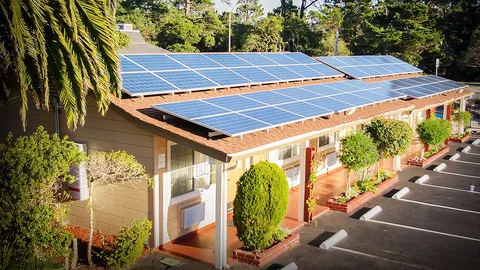
With the rising popularity of renewable energy, many homeowners are investing in solar panels to reduce electricity bills and minimize their carbon footprint. However, simply installing a solar system is not enough. Regular maintenance and optimization are key to ensuring your home solar system operates efficiently for years to come. In this article, we will discuss practical tips on how to maintain and optimize your home solar system effectively.
1. Regular Cleaning of Solar Panels
Dust, leaves, and bird droppings can accumulate on your solar panels and reduce their efficiency. Cleaning your panels at least twice a year can make a significant difference in energy production. Use a soft brush, mild soap, and water to gently clean the surface. Avoid harsh chemicals or abrasive materials that may scratch the panels.
Tips for Effective Cleaning:
- Rinse panels with water before scrubbing.
- Clean early in the morning or late in the evening to prevent thermal shock.
- Consider installing a robotic cleaning system for hard-to-reach panels.
2. Inspect for Damage and Wear
Routine inspections are crucial to prevent minor issues from becoming major problems. Check for cracks, loose wires, and corrosion on the panels and mounting structures. Early detection can help you save on expensive repairs and maintain optimal system performance.
Inspection Checklist:
- Examine panels for cracks or discoloration.
- Check wiring and inverter connections.
- Inspect the mounting system for rust or looseness.
3. Monitor Your Solar System Performance
Modern solar systems often come with monitoring software that tracks energy production. Regularly reviewing this data can help you identify underperforming panels or inefficiencies in the system.
Optimization Tips:
- Compare actual energy output with expected performance.
- Address shading issues caused by tree growth or new structures.
- Adjust the tilt or orientation of panels if possible.
4. Professional Maintenance and Servicing
While homeowners can handle basic cleaning and inspection, hiring a professional technician annually ensures that your system remains in peak condition. Experts can perform comprehensive checks, including testing the inverter, inspecting electrical components, and verifying system performance.
5. Upgrade Components When Necessary
Technology evolves rapidly. Upgrading inverters, batteries, or even panels can increase efficiency and extend the life of your system. Staying informed about new solar technologies allows you to maintain and optimize your home solar system for maximum savings and energy output.
Conclusion
To get the most out of your investment, it’s essential to follow a structured maintenance plan. From regular cleaning and inspections to professional servicing and technology upgrades, every step contributes to a more efficient solar energy system. By understanding how to maintain and optimize your solar system for house, you can ensure consistent energy production, lower bills, and a longer-lasting solar setup.
