

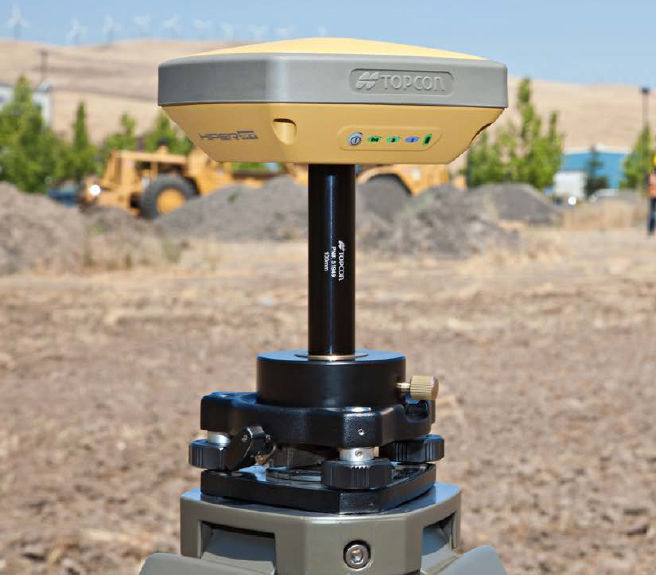
Global Navigation Satellite System (GNSS) positioning systems have significantly transformed the landscape of GPS (Global Positioning System) technology. These advanced systems have not only enhanced the accuracy, reliability, and availability of positioning services, but they have also expanded the potential applications of GPS in various industries. In this article, we will explore how gnss positioning system revolutionize the world of GPS technology, offering innovative solutions and driving new technological frontiers.
What is GNSS and How Does it Differ from GPS?
Defining GNSS
GNSS refers to a constellation of satellites that provide global coverage for navigation, positioning, and timing services. Unlike the traditional GPS, which relies solely on the U.S.-based satellite network, GNSS includes multiple satellite constellations. These include the U.S. GPS system, Russia’s GLONASS, the European Union’s Galileo, and China’s BeiDou, among others. The key advantage of GNSS is its ability to leverage data from several satellite systems, providing more accurate and robust positioning.
GPS vs GNSS
While GPS has long been the gold standard for navigation, GNSS has raised the bar by incorporating various global satellite systems. This integration allows for better coverage, even in challenging environments, such as dense urban areas (urban canyons) and remote locations where single satellite systems may struggle to maintain signal strength and accuracy.
The Impact of GNSS on GPS Technology
Enhanced Accuracy and Precision
One of the primary ways in which GNSS positioning systems have revolutionized GPS technology is through vastly improved accuracy. With GPS alone, the typical positioning error can range from 5 to 10 meters. However, with the combined satellite signals from GNSS, the accuracy can be reduced to within a meter or even a few centimeters, thanks to the use of multiple satellite signals from different constellations.
This leap in accuracy opens up new possibilities for industries that require highly precise location data, including autonomous vehicles, agriculture, aviation, and surveying.
Better Reliability and Availability
GNSS positioning systems offer increased reliability compared to GPS alone. GPS signals, while widely used, can be easily disrupted by environmental factors such as tall buildings, dense forests, or even poor weather conditions. GNSS, by utilizing several constellations, increases the number of visible satellites and reduces the risk of signal loss.
In situations where one satellite system might fail or provide weak signals, GNSS can use alternative constellations to maintain accurate and continuous positioning data. This added layer of redundancy ensures a more stable and dependable GPS experience, especially in critical applications like emergency response, transportation, and maritime navigation.
Applications Revolutionized by GNSS Technology
Autonomous Vehicles
The rise of autonomous vehicles is one of the most profound impacts of GNSS positioning systems on the world of GPS technology. Self-driving cars rely heavily on precise location data to navigate streets, make decisions, and avoid obstacles. GNSS allows these vehicles to achieve centimeter-level accuracy, improving both safety and operational efficiency. The multi-constellation approach ensures these vehicles maintain accurate positioning in all environments, including urban areas and remote highways.
Precision Agriculture
GNSS systems have also revolutionized the field of agriculture, allowing for precision farming techniques that were previously unimaginable. By using GNSS, farmers can map out their fields, monitor crop health, and optimize planting and harvesting. This technology also enables the use of autonomous tractors and drones, which require precise positioning for tasks like planting seeds, applying fertilizers, or spraying pesticides.
Surveying and Mapping
Surveying and mapping have always been critical tasks requiring high precision. GNSS systems have made these jobs more efficient, with improved accuracy and speed. Traditional land surveying methods, which used triangulation or physical markers, have been enhanced with GNSS technology, which can collect data quickly and with high levels of precision. This has transformed urban planning, construction, and even disaster management efforts.
The Future of GNSS and GPS Technology
Advancements in GNSS Integration
As technology continues to evolve, the integration of GNSS with other emerging technologies like 5G, Internet of Things (IoT), and artificial intelligence (AI) is expected to drive even more innovation. GNSS will become increasingly interconnected with other systems, allowing for real-time data sharing and more seamless navigation services.
For example, autonomous drones and delivery robots will rely on GNSS to navigate complex environments while interacting with IoT devices to optimize routes and communicate with smart cities. The development of next-generation GNSS systems will also improve positioning accuracy, ensuring that GPS technology continues to meet the ever-growing demands of industries.
Challenges and Opportunities Ahead
While GNSS systems have revolutionized the GPS landscape, they are not without challenges. Issues like signal interference, space weather effects, and the need for more robust security systems must be addressed. However, these challenges also present opportunities for further advancements in GNSS technology, ensuring that GPS will continue to evolve to meet the needs of the digital age.
Conclusion
In conclusion, GNSS positioning systems have brought a new level of sophistication and capability to GPS technology. By integrating multiple satellite constellations, GNSS offers enhanced accuracy, reliability, and availability, all of which are critical in today’s rapidly advancing technological world. As industries such as autonomous vehicles, agriculture, and surveying continue to benefit from GNSS advancements, it is clear that GNSS positioning systems are not just an improvement—they are a revolution in how GPS technology is used globally.
