

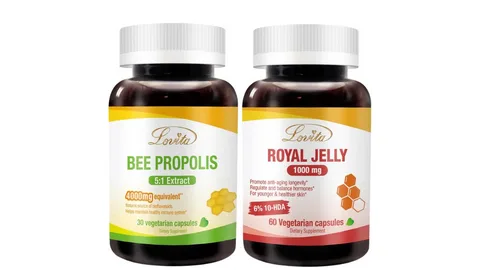
Bee propolis, often called “bee glue,” is a resinous substance collected by honeybees from tree buds, sap flows, and other botanical sources. Used by bees to seal their hives, propolis has gained attention for its potential health benefits and therapeutic properties. In this article, we explore bee propolis explained: uses, benefits, and scientific insights, highlighting how this natural product can support human health.
What is Bee Propolis?
Bee propolis is a complex mixture of plant resins, beeswax, essential oils, and bee enzymes. Its composition can vary depending on the local flora, but it is rich in flavonoids and phenolic compounds, which are believed to be responsible for its biological activity. Traditionally, propolis has been used in folk medicine for its antiseptic, anti-inflammatory, and healing properties.
Uses of Bee Propolis
1. Immune System Support
Bee propolis is widely used as a natural supplement to strengthen the immune system. Research suggests that the flavonoids and phenolic acids in propolis may enhance the body’s defense mechanisms against infections.
2. Oral Health
Propolis has been incorporated into mouthwashes, toothpaste, and lozenges due to its antimicrobial activity. It helps reduce plaque formation, fight bacteria in the mouth, and promote healthy gums.
3. Skin Healing and Wound Care
Topical application of bee propolis can accelerate wound healing and reduce inflammation. It has been used in creams and ointments for minor cuts, burns, and skin irritations.
4. Anti-inflammatory and Antioxidant Effects
The bioactive compounds in propolis have been studied for their anti-inflammatory and antioxidant properties, which may help in reducing oxidative stress and protecting cells from damage.
Scientific Insights on Bee Propolis
Recent studies have explored the potential of propolis in various health applications. For instance:
- Antimicrobial Activity: Propolis has shown effectiveness against certain bacteria, fungi, and viruses in laboratory settings.
- Cancer Research: Some studies suggest that propolis may have anti-cancer properties by inhibiting the growth of cancer cells, though more clinical research is needed.
- Metabolic Health: Preliminary research indicates propolis may help regulate blood sugar and lipid levels, supporting cardiovascular and metabolic health.
While scientific evidence is promising, experts advise using propolis as a complementary approach rather than a replacement for conventional medicine.
Safety and Precautions
Although bee propolis is generally considered safe, some individuals may experience allergic reactions, especially those allergic to bee stings or pollen. It is recommended to start with small doses and consult a healthcare professional before using it as a supplement or topical treatment.
Conclusion
In summary, bee propolis explained: uses, benefits, and scientific insights highlights its multifaceted role in supporting health. From immune support and oral care to wound healing and antioxidant effects, propolis continues to captivate both traditional medicine practitioners and modern researchers. As scientific studies advance, our understanding of this natural bee product’s potential will only deepen.
