

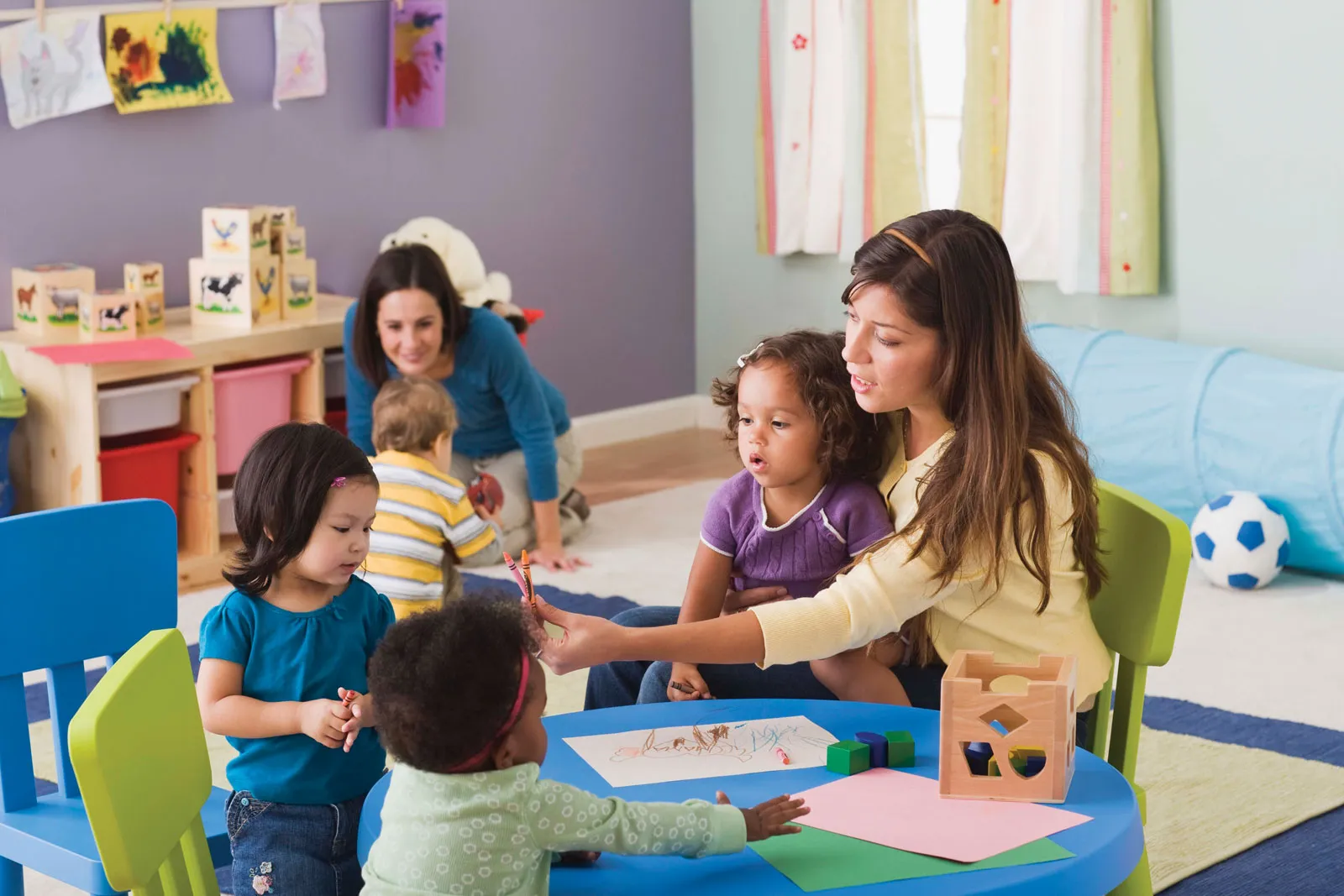
Daycare is often seen merely as a convenient solution for working parents, but its benefits extend far beyond supervision. In fact, daycare plays a crucial role in shaping a child’s social and cognitive development. By providing a structured environment, interactive activities, and professional guidance, daycare centers help children acquire essential skills that set the foundation for lifelong learning and interpersonal relationships.
Understanding the Importance of Early Social Interaction
From a young age, children need opportunities to interact with their peers. Daycare provides a unique setting where children encounter a variety of personalities, cultures, and communication styles. These early interactions foster empathy, cooperation, and problem-solving skills. Through group activities, playtime, and collaborative projects, children learn to navigate social dynamics, share resources, and resolve conflicts in a supportive environment.
How Daycare Supports Learning Skills
Beyond social development, daycare also significantly contributes to cognitive growth. Structured activities such as storytelling, art, music, and basic educational games stimulate curiosity and critical thinking. Caregivers at daycare centers are trained to observe and nurture each child’s individual learning style, ensuring personalized attention. The consistent routine in daycare helps children develop discipline, time management, and a love for learning that can benefit them well into their school years.
The Role of Daycare in Emotional and Behavioral Growth
Daycare also plays a vital role in teaching children emotional regulation. Being away from home and adjusting to a group setting helps children develop independence, resilience, and self-confidence. Positive reinforcement, encouragement, and structured routines enable children to manage emotions, understand boundaries, and develop a sense of responsibility—all critical skills for personal and academic success.
Choosing the Right Daycare
Not all daycare centers offer the same quality of social and educational experiences. Parents should look for centers that emphasize structured learning, qualified staff, and a balanced mix of play and educational activities. Observing the interaction between caregivers and children, as well as the engagement level among children, can provide valuable insight into how well the daycare supports social and learning skills development.
Conclusion
The role of daycare in building social and learning skills is undeniable. By providing children with opportunities to interact, explore, and learn in a structured yet nurturing environment, daycare centers equip them with foundational skills that will serve them throughout their lives. Choosing the right daycare can ensure that children not only thrive academically but also develop the emotional intelligence and social competence necessary for a well-rounded future.
