

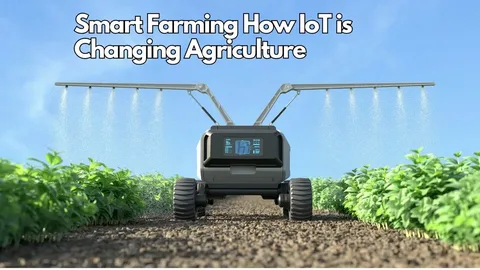
The agricultural industry has always been at the forefront of adopting new technologies to improve efficiency, increase productivity, and reduce costs. In recent years, one of the most transformative innovations in farming is the use of drones in smart agriculture. These unmanned aerial vehicles (UAVs) are revolutionizing how farmers monitor crops, manage land, and optimize yields. With advanced sensors and high-resolution cameras, drones are providing a level of insight that was previously unavailable, ultimately changing the landscape of crop monitoring and management.
The Rise of Drones in Agriculture
The integration of drones into agriculture is not just a passing trend. It is a significant shift in how farms are managed and monitored. Initially used for military and surveillance purposes, drones have now found a crucial role in agriculture, thanks to their ability to collect vast amounts of data quickly and efficiently. The use of drones in agriculture has enabled farmers to make more informed decisions, reduce labor costs, and increase sustainability.
One of the key benefits of using drones is their ability to access hard-to-reach areas of a farm, such as hilly or remote terrains. This ability allows for more accurate and frequent monitoring of crop health, irrigation needs, and potential pest infestations. As a result, drones are becoming an indispensable tool in modern farming.
How Drones Are Used for Crop Monitoring
Drones are equipped with specialized sensors and cameras that allow them to capture a range of data, from high-resolution imagery to multispectral and thermal readings. This data can be processed and analyzed to give farmers valuable insights into their crops’ health, growth patterns, and environmental conditions. Some of the most common uses of drones in crop monitoring include:
1. Precision Agriculture
Drones help farmers practice precision agriculture by providing real-time data on crop health. Through multispectral imaging, drones can detect variations in plant health that are not visible to the naked eye. These variations can indicate areas where crops may be under stress due to disease, pests, or nutrient deficiencies. By identifying these problem areas early, farmers can apply treatments more precisely, reducing waste and improving yields.
2. Irrigation Management
Drones are also instrumental in managing irrigation. With thermal imaging, drones can identify areas of a field that are over or under-watered. This data allows farmers to adjust irrigation schedules and water usage, ensuring crops receive the right amount of water, and helping conserve precious water resources.
3. Pest and Disease Detection
Early detection of pests and diseases is crucial for preventing crop damage and yield loss. Drones equipped with high-resolution cameras and thermal sensors can spot abnormalities in crops that may indicate the presence of pests or diseases. By pinpointing the affected areas, farmers can take targeted action before the problem spreads.
Advantages of Drones in Crop Management
The use of drones in agriculture offers numerous advantages, making them an essential tool for modern-day farming. Some of the key benefits include:
1. Cost Efficiency
Traditional crop monitoring methods often involve manual labor, which can be time-consuming and costly. Drones significantly reduce the need for ground inspections, saving farmers both time and money. Moreover, by providing real-time data, drones enable farmers to make timely decisions that can prevent costly issues like crop diseases or water shortages.
2. Improved Crop Yields
With the detailed data provided by drones, farmers can optimize their farming practices and increase crop yields. For example, precise irrigation and nutrient management can lead to healthier crops and more productive harvests. Drones also enable farmers to monitor large areas in a fraction of the time it would take using traditional methods, ensuring that no part of the farm is neglected.
3. Sustainability
Drones help farmers adopt more sustainable practices by enabling them to use resources more efficiently. By monitoring crop health, irrigation needs, and pest control, drones allow for more targeted interventions, reducing the need for excess fertilizers, pesticides, and water. This not only lowers costs but also minimizes the environmental impact of farming.
The Future of Drones in Agriculture
As technology continues to evolve, the role of drones in agriculture is set to grow even further. Innovations in artificial intelligence (AI) and machine learning will enhance the capabilities of drones, allowing for even more accurate and predictive crop management. Drones could soon be able to automatically detect and treat crop issues, such as spraying fertilizers or pesticides when needed, further increasing efficiency and reducing human intervention.
Additionally, the integration of drones with other technologies like Internet of Things (IoT) sensors and satellite imagery could create a more comprehensive, data-driven approach to farming. This would allow farmers to manage their crops and resources even more effectively, leading to smarter, more sustainable agricultural practices.
Conclusion
Drones in agriculture are changing the way farmers approach crop monitoring and management. With their ability to collect and analyze data quickly and accurately, drones are helping farmers make better decisions, reduce costs, and increase yields. As the technology continues to evolve, drones will undoubtedly play an even larger role in shaping the future of agriculture, helping to ensure food security, sustainability, and efficiency in the farming industry for years to come.
